By Ted Lenzie
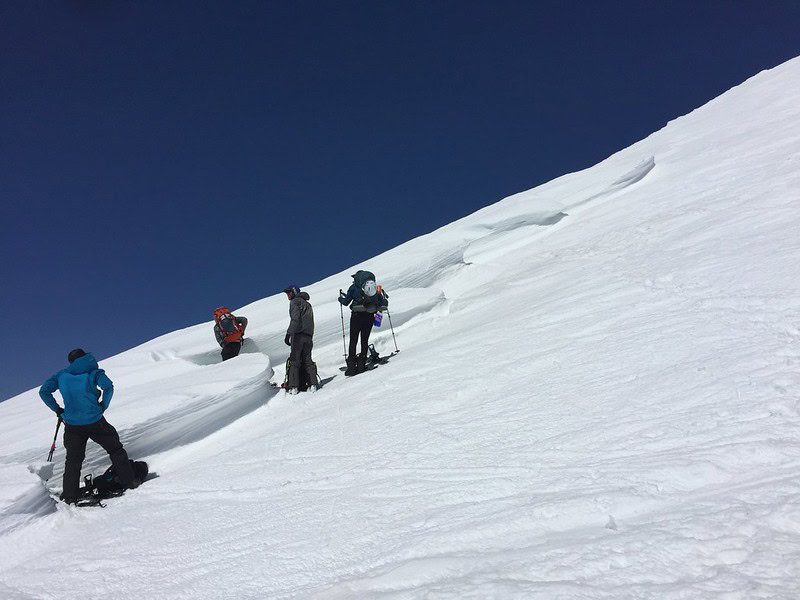
Every great outing starts with an idea: where, when, how, and who. Some adventures take months of preparation, while others come together on a whim. But no matter the scale, good planning is the foundation of safety. That’s why Leave No Trace makes “Plan Ahead and Prepare” its very first principle—it keeps you safe while protecting the environment you set out to enjoy.
The Foundation of Every Trip
During my years as a ski patroller and guide, we planned every trip with care. Even if your adventures aren’t that formal, the same basics apply:
- Safety comes first, then fun, and finally the trip’s goals.
- Flexibility is key, not only for the leader but for everyone involved.
Ask yourself: Do you and your group have the skills and fitness to meet your goal? Are you navigating trails, snowfields, or technical terrain? Do you need specialized training—like avalanche safety—or equipment such as a beacon, shovel, and probe? Even on familiar routes, maps, apps, and online posts rarely tell the full story. Study every segment from trailhead to turnaround and back. Confidence in your route builds trust; once that’s lost, a group can quickly unravel when plans change.
Know Your Group
The people you bring matter as much as the plan itself. A short day hike with mild weather is one thing. A winter climb of a 10,000-foot peak is another. Make sure participants have the right fitness, gear, and personal supplies—food, water, extra clothing, headlamp and batteries, medications, and a small first aid kit. Get to know their experience levels before you go.

As a leader, you may face questions like, Where are we? How far to the top? or even subtle challenges to your decisions. Technology can give participants data but not context. Stay confident: review your map or GPS at rest breaks, and keep everyone informed. Remind the group that you move only as fast as your slowest member—and that rest, food, and hydration keep everyone safe and steady.
When the Plan Falls Apart: A Real Example
One January day, a group of 12 snowshoers and backcountry skiers set out to summit Pyramid Peak in the Sierra Nevada. Everyone was fit, well-equipped, and familiar with winter travel—except one person testing newly acquired backcountry skis.
The group summited around 1 p.m. and began descending an hour later. With snowshoers and skiers moving at different speeds, the leader relied on the group to keep tabs on one another. But as daylight faded, it became clear the new skier was struggling. The leader wisely adjusted the route to gentler slopes, yet soon the skier was missing.

After 30 minutes of waiting, the leader made the tough call to guide the rest of the group out via a known alternate route. Darkness set in as they reached the trailhead. After calling authorities, the missing skier finally emerged—exhausted, cold, and short of breath after slogging through waist-deep snow without skis. The leader’s foresight to plan and explain that alternate route earlier likely helped the skier find the way out safely.
What Went Right—and What Didn’t
This leader did many things well:
- The team was fit and properly equipped.
- The group started early, monitored conditions, and had a safe exit plan.
- When things changed, the leader prioritized getting everyone out safely.
Still, lessons emerged. The incident began before the trip even started—with one participant taking on new equipment and skills in challenging terrain. The group also lacked a clear sweep or reliable way to communicate across subgroups. And when stress hit, emotions ran high. Leaders must explain their reasoning clearly and listen to input, but not at the cost of safety or sound judgment.
When the Plan Changes
Every outing involves risk, and plans can shift fast. The best leaders stay calm, communicate openly, and think through their next move using the STOP method:
Stop, Think, Observe, Plan.
Taking just a few minutes to re-evaluate and share updates with your team can prevent hours—or even days—of search and rescue later.
Good planning and calm leadership don’t just make a trip successful—they keep everyone alive to plan the next one.
About the Author
Ted Lenzie is a veteran ski patroller, guide, and outdoor educator with years of experience in wilderness navigation, rescue, and backcountry leadership. He believes every trip is a learning opportunity—and that preparation, communication, and adaptability are the keys to staying safe outdoors.
Read more about Ted’s story in Caught in the Storm: One Ski Patroller’s Lessons in Safety and Rescue on the Safety Training Pros blog.