By Ted Lenzie
When we think of cold illness and injuries, most people picture severe hypothermia or deep frostbite. In reality, problems usually start small, with subtle warning signs that can be addressed before they become serious. Even more importantly, there are ways to prevent cold conditions from escalating into injury.
I say cold conditions, not just “cold weather,” because cold illness can occur even on a warm summer day, though most cases happen during colder months. During my time as a backcountry ski patroller, cold illness was very common in the Sierra Nevada—even more so than actual injuries. As a guide, I sometimes saw cold illness during summer outings.
Understanding Cold Illness
Cold illness happens when the body loses heat faster than it can produce it. It ranges from mild, easily treated conditions such as frostnip and mild hypothermia to more serious, life-threatening hypothermia or frostbite.
Several factors influence how quickly cold illness develops. Temperature and wind are important because wind chill accelerates heat loss. Even mildly cold temperatures can become dangerous if the wind is strong. Wetness also plays a role because water conducts heat away from the body faster than air. Wet clothing or sweat increases risk dramatically. Exertion and fatigue matter because physical activity generates heat, but as energy decreases or activity slows, the body loses heat faster. Inadequate clothing or gear can turn a safe outing into a dangerous situation. Gaps in insulation, damp layers, or poorly chosen clothing can make a big difference.
The key takeaway is that cold illness often begins subtly with shivering, numbness, or minor discomfort. Recognizing these early signs is critical because once advanced hypothermia or frostbite sets in, recovery becomes more challenging.
Real-Life Experiences
Hypothermia Can Strike Fast
Even experienced outdoor enthusiasts can misjudge conditions and develop hypothermia faster than expected.
A clear example comes from the Echo Summit to Kirkwood Ski and Snowshoe race in March. A seasoned competitor, who had completed the race several times, faced temperatures around 5°F with winds of 10 to 30 miles per hour. They wore lightweight poly-pro layers, shorts, a ballcap, and light gloves. Despite their experience, they underestimated how cold and challenging the conditions would be.
About halfway through the race, mild hypothermia appeared. The competitor was shivering and had slowed reflexes but continued past the last aid station. By the finish line, shivering had intensified, and their hands shook so violently that they could not remove their snowshoes or drink hot fluids. Patrol brought the competitor indoors, and provided warm, calorie-rich liquids. They monitored the competitor until shivering stopped and dexterity returned. Even a brief step outside before fully recovering caused symptoms to return.
Lesson: Hypothermia can develop quickly, even for experienced participants. Recognizing early signs and stopping to recover is critical to prevent mild hypothermia from becoming serious.
Excitement Can Mask Danger
Cold illness is sometimes masked by adrenaline or excitement.
On a guided whitewater trip down the South Fork of the American River in early April, the air temperature stayed in the low 50s, and recent snowmelt kept the river water frigid. Two clients insisted on sitting at the front of the raft, taking the brunt of icy runoff as rapids splashed over them. Shivering began, but excitement initially kept them unaware of the danger.
At the halfway point, the lead guide intervened. Wet clothing was replaced with waterproof jackets and pants, food and hydration were encouraged, and the clients were monitored for alertness. Gradually, they became fully aware of the cold and were able to continue the trip safely.
Lesson: Adrenaline and excitement can mask early warning signs. Group awareness is essential.
“Grumpy’s Syndrome”: Hypothermia Alters Behavior
Moderate hypothermia can affect behavior, making individuals irritable or resistant to help, a phenomenon I call Grumpy’s.
- Pacific Crest Trail Hike: During a summer thunderstorm, rain turned to hail and temperatures dropped sharply. One hiker in our group refused to add layers, leaving wet clothing against their skin. Only after reaching a mountain pass and as the weather began to improve were they finally convinced to eat, drink a high-calorie sports drink, and put on a warm jacket. We encouraged them to hike down with some urgency to generate internal body heat. Gradually, their color and energy returned, and they regained their normal baseline attitude and cooperative demeanor.
- Lake Tahoe Snowshoe Trip: As nightfall approached, the need to finish the route became increasingly urgent, but one participant slowed down more and more. Despite repeated suggestions and offers of treatment, they refused all help. The assistant leader stayed close, encouraging movement and hydration, and eventually the combination of a warm vehicle and food helped the participant regain awareness and clarity.
Lesson: Hypothermia can compromise judgment. Groups must act decisively to protect individuals and the team.
Recognizing Early Warning Signs
Cold illness often starts small, and catching it early is critical. Mild hypothermia, frostnip, and even superficial frostbite can creep up on you before you realize the danger. Awareness and quick action make all the difference.
Frostnip is the first warning sign: numb or tingling fingers, toes, nose, or ears, usually caused by exposed skin or inadequate layering. Rewarming is simple, but it’s a signal that you need better insulation.
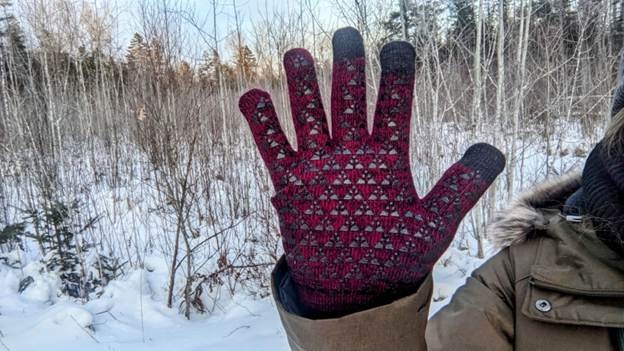
Real-Life Example: On a snowshoe trip to Echo Peak, one hiker in our group wore thin gloves. Moving briskly at first kept their hands warm, but during a lunch break on the windy summit, their fingertips went numb. Chemical hand warmers and an extra glove layer restored circulation, though the skin stayed rough for a few days—a reminder of how fast cold can catch you.
⚠ Metal Conduction Alert:
Touching cold metal objects—such as snowshoes, ice axes, ski poles, or shovels—with bare skin can rapidly freeze your fingers. Even brief contact can cause pain, involuntary shaking, and urgent attempts to rewarm by rubbing your hands, tucking them under your armpits, or placing fingertips in your mouth. Always keep gloves on or use insulated barriers when handling metal equipment in cold conditions.
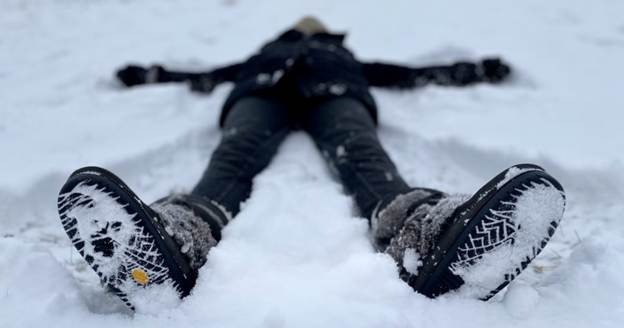
Superficial frostbite is more serious. It damages skin, can cause peeling or blistering, and may even affect nerves. Even well-equipped adventurers aren’t immune, especially when wind and prolonged exposure accelerate heat loss.
Real-Life Example: One day on Denali, temperatures hovered well below zero, and despite the guide’s frequent warnings to wiggle fingers and toes to maintain blood flow, a climber in our group developed early frostbite on a toe. As the wind intensified near Denali Pass, the guide recognized the danger, pulled the climber back to high camp, and applied wilderness first aid. The climber recovered fully and was able to safely reach the summit two days later under much improved conditions.
Lesson: Frostnip and frostbite can develop quickly, and sometimes a person fails to recognize the symptoms or take action until it’s too late. Wind, exposure, and even minor gaps in clothing can make a huge difference. Vigilantly monitoring yourself and your group, and intervening early, can prevent minor issues from escalating into serious injury.
Key Takeaways
- Prevention is everything. Check the forecast, layer properly, and fuel your body before during, and after activity.
- Recognize early signs. Shivering, numbness, irritability, or altered mental status is your cue to act.
- Group awareness matters. People may not realize their own risk; look out for each other.
- Training helps. A Wilderness First Aid course equips you to prevent, recognize, and treat cold injuries effectively.
For a quick reference on winter layering: What to Wear Backpacking and Hiking in the Winter
About the Author
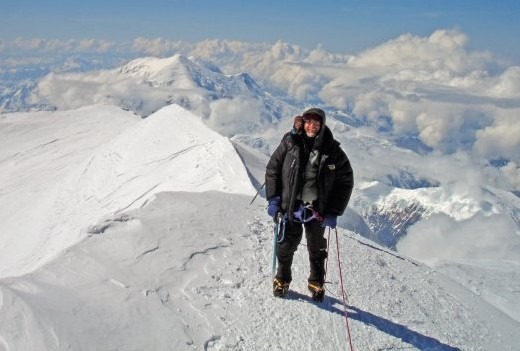
Ted Lenzie is a veteran ski patroller, guide, and outdoor educator with years of experience in wilderness navigation, rescue, and backcountry leadership. He believes every trip is a learning opportunity—and that preparation, communication, and adaptability are the keys to staying safe outdoors.