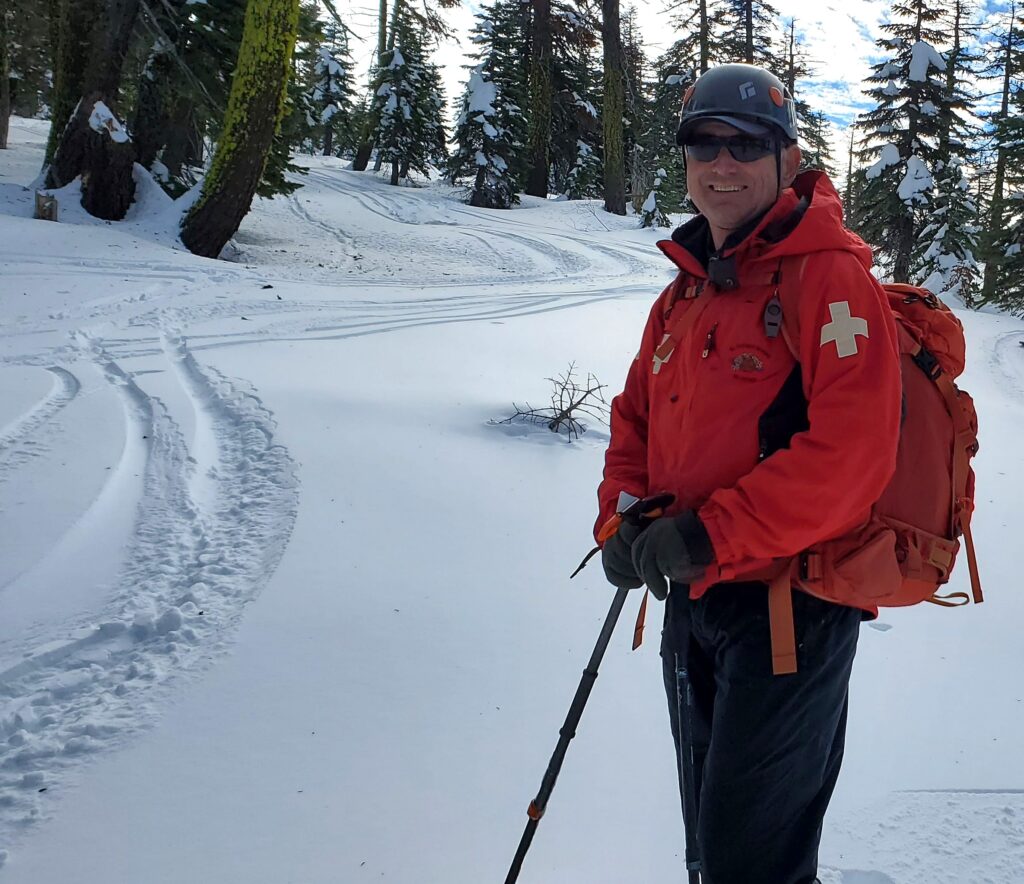
When record-breaking snow buried the Sierras during the 2022–23 winter season, Ted Lenzie found himself skiing into what could have been a tragedy. A car had driven deep into the Iron Mountain snow park off Highway 88—two moms, a teenager, and two babies on board—only to get stuck as dark clouds rolled over the ridgeline.
“There’s no cell reception out there,” Ted recalled. “Caltrans hadn’t plowed, and a big storm was coming in that night. It was going to drop about three feet. These people were going to get trapped back there.”
What began as a simple stuck vehicle quickly became a test of coordination and calm under pressure. Ted called dispatch, who passed the message to the sheriff’s department and eventually to Caltrans. Hours passed as temperatures dropped and the storm crept closer. Ted kept the families calm, made sure their tailpipe was clear to prevent carbon monoxide poisoning, and guided them through staying warm and safe.
Read Ted’s follow-up piece on what happens when the plan changes in the backcountry: When the Plan Changes: Lessons in Backcountry Leadership.
“It could’ve gone very bad,” he said. “With the children on board, walking out wasn’t an option. But it reminded us how something that seems minor can turn into a full rescue.”
Eventually, Caltrans arrived at nightfall to plow a path and free the vehicle—but the incident left a lasting impression. It also sparked discussions among local patrols and agencies about how to better coordinate future rescues.
From Adventure to Preparedness
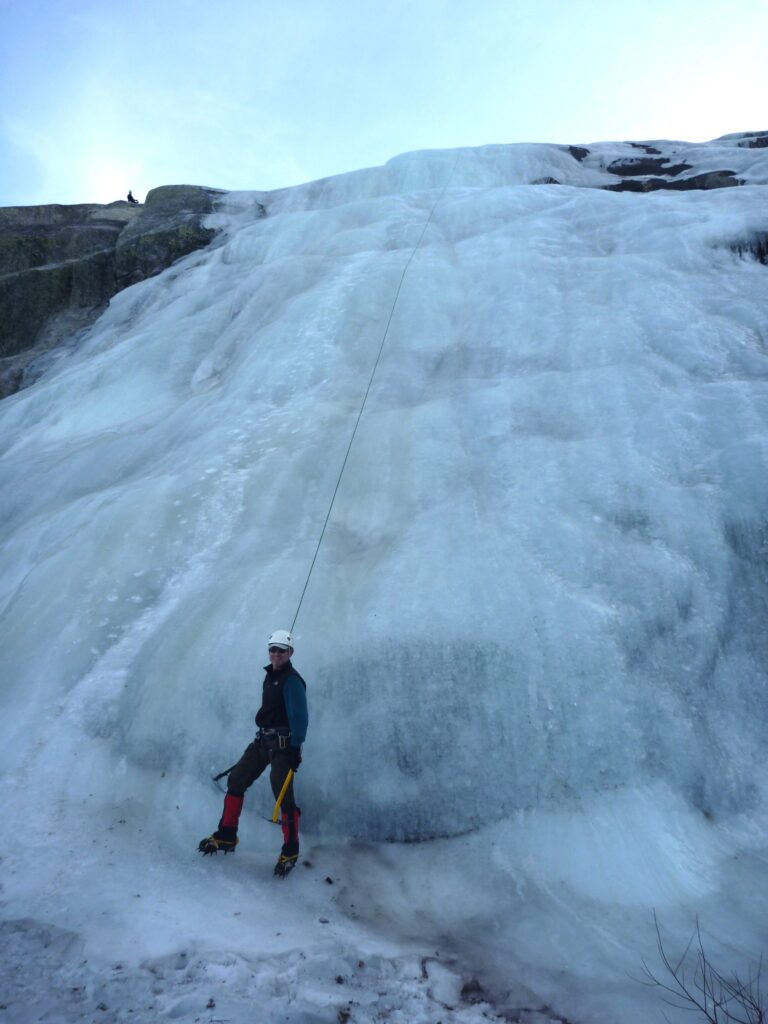
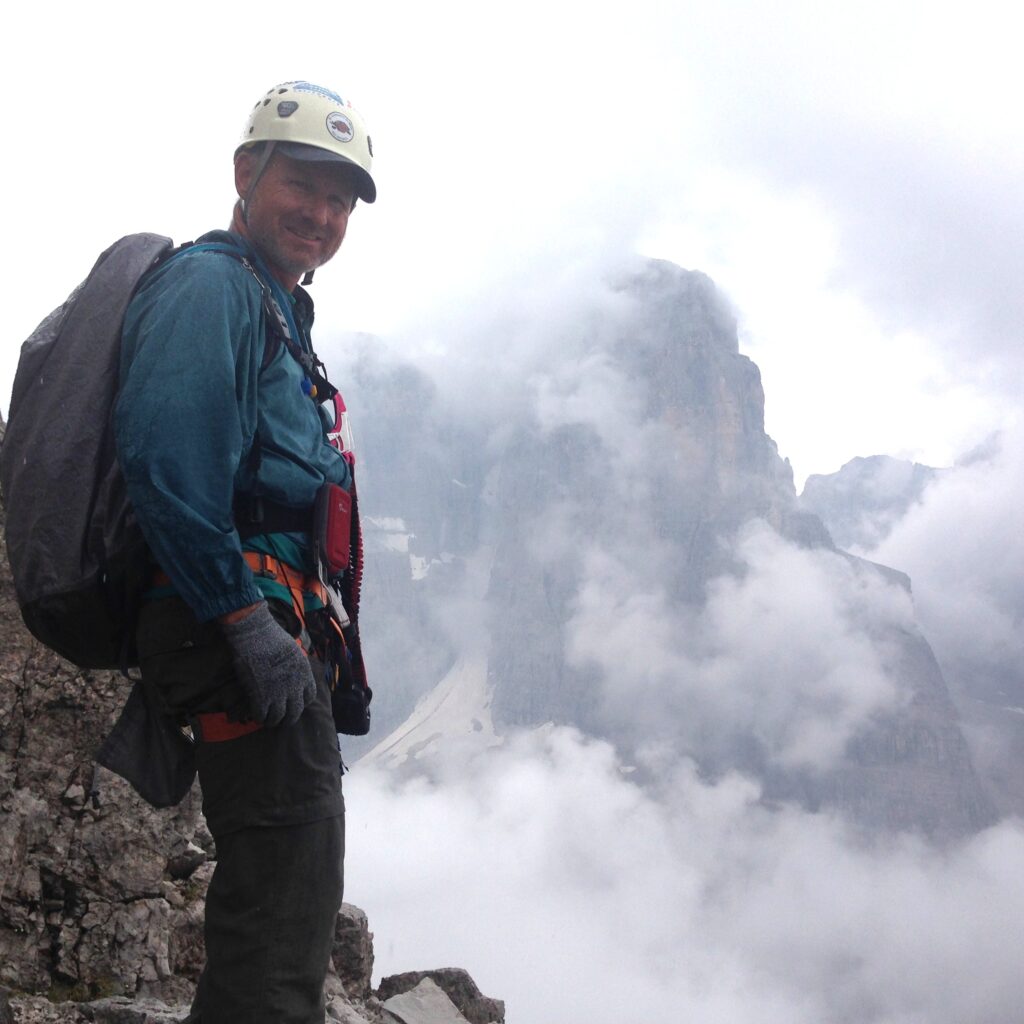
Ted’s passion for the outdoors started early. Growing up in a family that loved the mountains, he was hiking, skiing, and climbing before he could drive. His path into safety and rescue work came naturally—first through backcountry skiing and later as a volunteer with the El Dorado Backcountry Ski Patrol, a team of trained volunteers who patrol the rugged terrain of the Sierra Nevada.
“Training has always been huge for me,” Ted said. “You can’t predict what’s going to happen out there—so your training becomes your confidence.”
He’s guided with the Sierra Club and International Alpine Guides, taught navigation and mountain travel courses for REI Outdoor School, and helped expand his ski patrol’s ranks by standardizing wilderness first aid requirements.
Their team doesn’t just respond to emergencies—they work to prevent them. On busy winter weekends, they educate visitors at snow parks like Carson Pass and Echo Summit, offering friendly reminders about avalanche conditions, weather forecasts, and safe routes.
“It’s not about telling people what to do,” Ted said. “It’s about starting a conversation. You can see it in their eyes when they realize, ‘Oh, I didn’t know this slope could slide.’ That’s what keeps people safe.”
Training in Action
Ted’s experience has taken him from high mountain passes to unexpected places—like 35,000 feet in the air.
“I’ve had them call out on a plane—‘Is there anyone with medical training?’—and next thing you know, I’m kneeling in the aisle,” he laughed. “You realize quickly that first aid kits on planes are pretty minimal, so it feels a lot like a wilderness situation.”
Whether responding on a flight, a ski trail, or in the backcountry, Ted says the same principle applies: stay calm, stay safe, and rely on your training.
“You can’t help anyone if you’re not safe yourself,” he said. “That’s true in the wilderness, and it’s true anywhere.”
Advice for Aspiring Rescuers
For anyone inspired to follow in his footsteps, Ted recommends starting with a Wilderness First Aid or Wilderness First Responder course.
“If you want to go professional, you’ll need to become an EMT,” he explained. “But for guiding or volunteer patrol work, Wilderness First Responder is the gold standard. That training gives you the confidence to make good decisions when things don’t go as planned.”
Ted’s story is a reminder that preparedness isn’t just about gear—it’s about knowledge, confidence, and compassion.
When every second counts, it’s the training that makes all the difference.