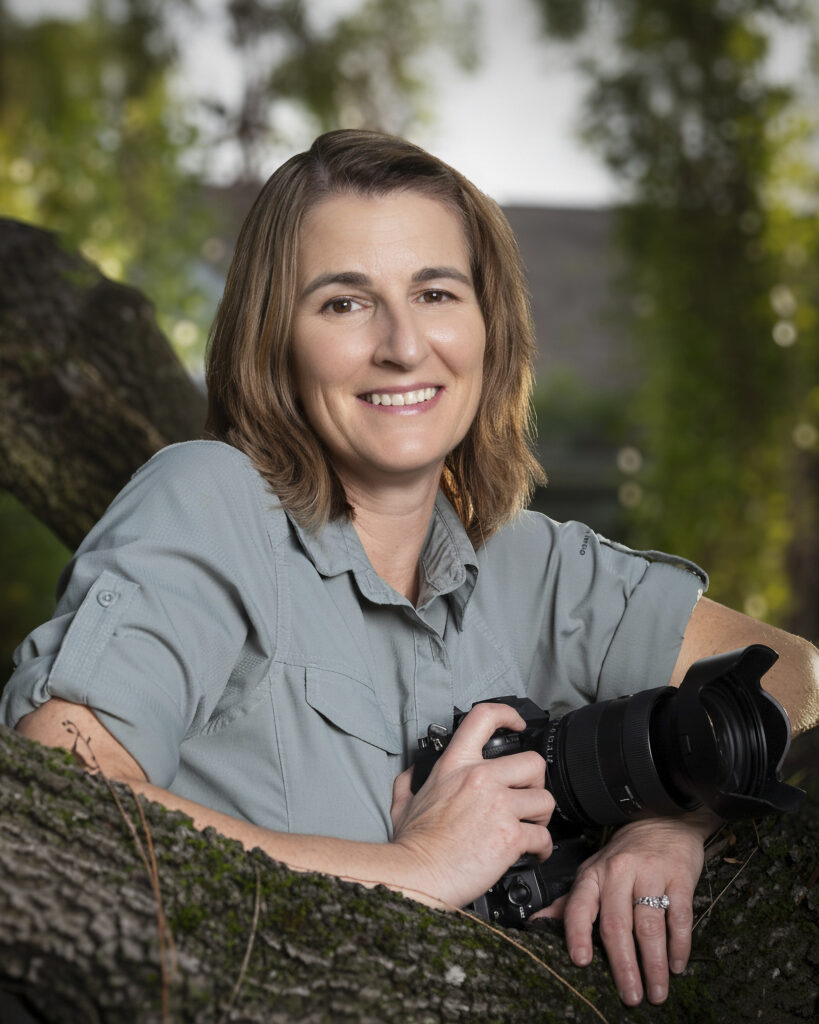
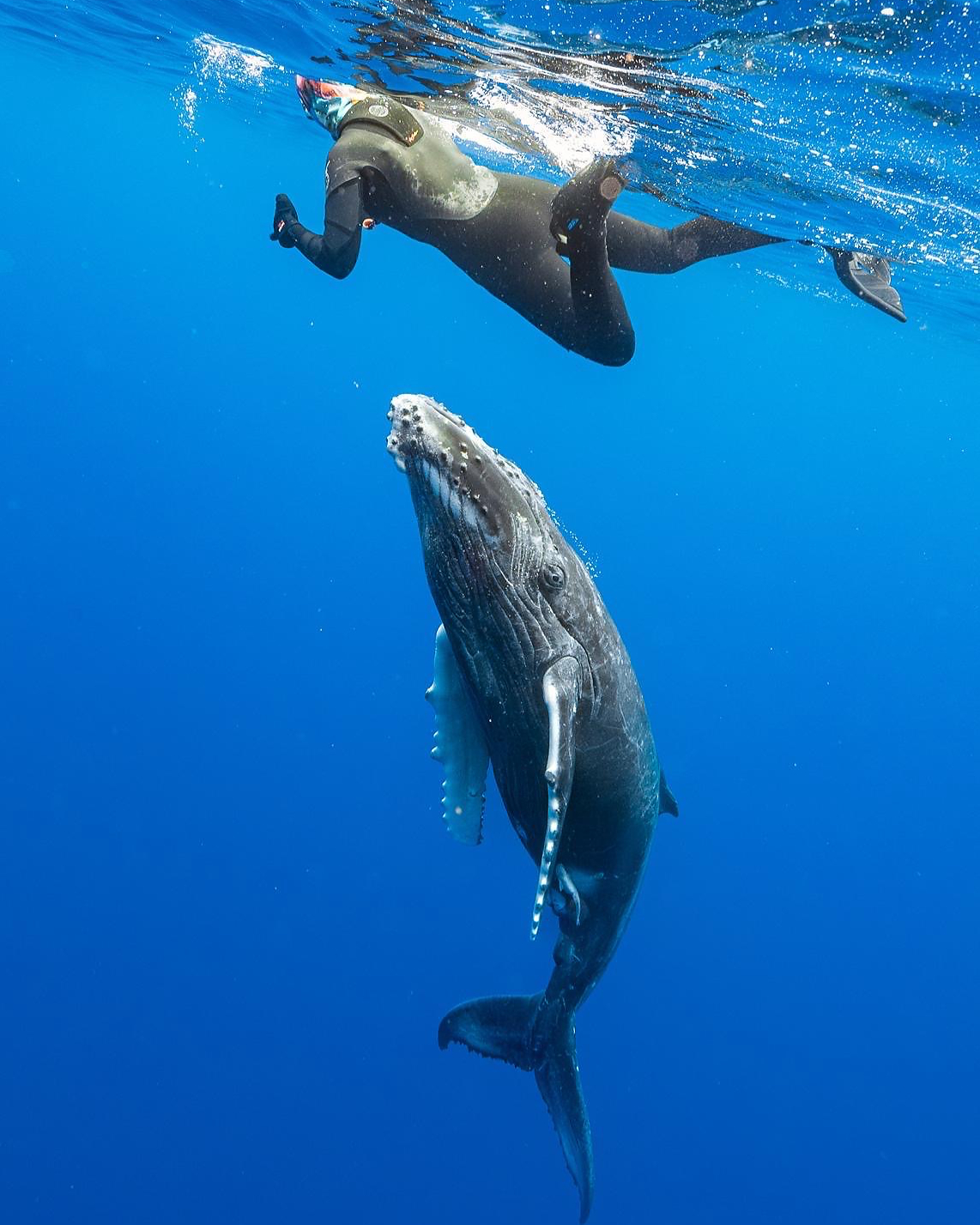
For wildlife photographer and travel designer Suzi Eszterhas, a typical workday might take place on the African savanna, in the jungles of Rwanda, or along the coast of Antarctica. For decades, she has dedicated her career to helping people experience extraordinary wildlife encounters while fostering a deeper appreciation for conservation.
Operating in these locations requires a rigorous approach to safety, a priority that is both professional and deeply personal for Suzi. A recent battle with cancer brought a renewed perspective on health and the fragility of life, reinforcing her drive to be proactive rather than a passive bystander. Recognizing that true preparedness meant having the skills to intervene in a crisis, she enrolled in a Wilderness First Aid course with Safety Training Pros.


The Logistics of Remote Travel
In remote environments, standard emergency timelines simply do not exist. Evacuations rely heavily on weather conditions, and logistical hurdles can cause significant delays.
This reality became clear during an expedition to Antarctica when a group member suffered a broken femur. The expedition had a doctor on board to provide immediate, sustained care, but the location’s sheer distance and complex logistics meant a true medical evacuation took three full days to coordinate.
While foundational wilderness safety always prioritizes preventative practices to mitigate risk, variables in the field are inevitable. Even with trained first responders on staff, Suzi knew she needed to be ready for the unexpected.
“When you’re days away from a hospital, passive observation isn’t an option,” Suzi noted. “I wanted the practical skills to act decisively in a crisis and protect my clients if our first responders were ever unavailable.”
Building Practical Confidence
Despite her deep comfort level in the wild, Suzi admitted she felt initial hesitation about the 16-hour weekend course.
“I entered the course as a complete novice—my only background was basic CPR,” she explained. “The thought of a weekend-long wilderness medical training was honestly daunting.”
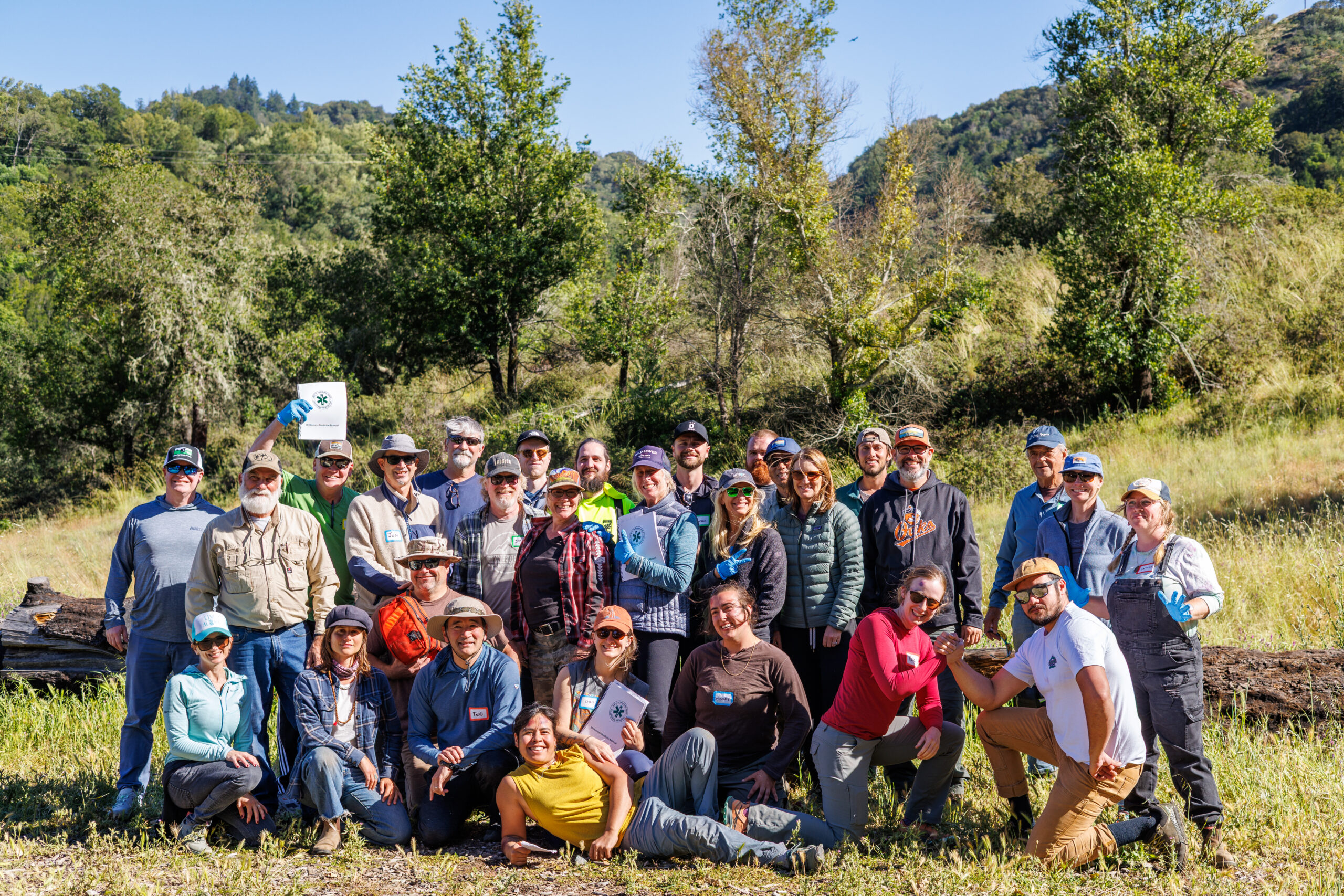
The structure of the course, however, quickly replaced her apprehension with action. Instead of relying solely on classroom lectures, the curriculum is built around interactive, physical drills. Students work through realistic scenarios, practicing patient assessment and applying splints.
“The instructors completely transformed the material,” Suzi shared. “They turned intimidating medical protocols into engaging, hands-on drills that built immense camaraderie and confidence among our group.”
Knowledge is Power
The weekend provided a tangible shift for Suzi, turning an intimidating subject into a practical toolkit. For outdoor professionals or recreational guides who feel underqualified to take a safety course, Suzi’s experience is proof that the program is designed precisely for beginners.
“The best part wasn’t just the clinical knowledge—it was the profound empowerment,” she said. “Walking away knowing exactly how to stabilize a patient and manage a remote emergency brings an incredible peace of mind.”
For someone who has dedicated her life to sharing the beauty and fragility of the natural world, taking ownership of her own preparedness was a powerful next step. Life, much like the wild places she explores, is inherently unpredictable. But when Suzi heads into the field today, she travels with more than just a camera. She carries the profound peace of mind that comes from knowing she can respond when the unexpected happens, empowering her to fully embrace whatever the journey brings.
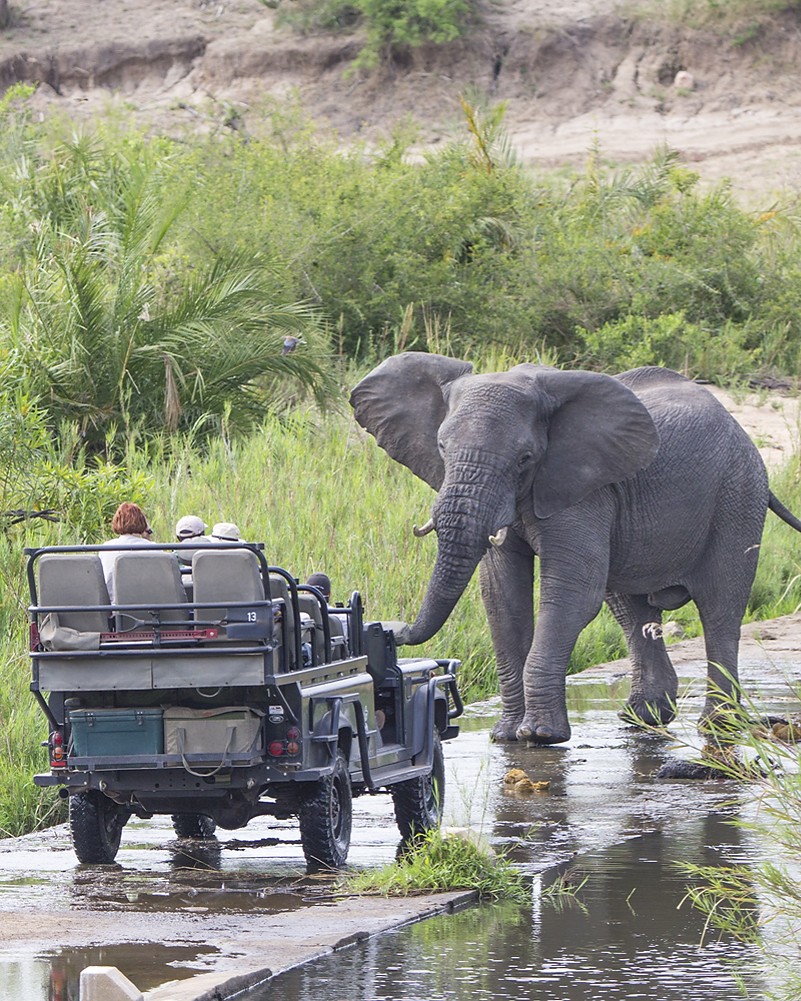
Experience the Wild
Explore Suzi’s upcoming expeditions and custom safari options for both photographers and wildlife enthusiasts at suziswildlifesafaris.com and follow her adventures in the field on Instagram at @suzieszterhas